Elderberry Tea Benefits and Why a Daily Cup Belongs in Your Fall Routine
Once the cold-season plan is in place, the next question is how to make it stick. Syrup covers the mornings in our house, but a pot of tea is what actually slows us down in the afternoon. If you have already read our family action plan for cold and flu season, think of elderberry tea as the easy, everyday habit that sits right alongside it.
Here is what is in the cup, what the research does and does not say, and how to brew it well.
What Is Elderberry Tea?
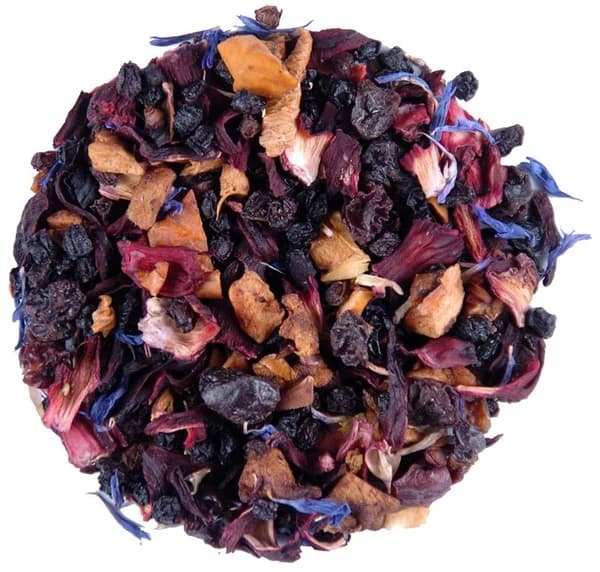
Elderberry tea is an herbal tea made by steeping dried elderberries in hot water, usually blended with other herbs, flowers or fruit for flavor. The berries give the tea its deep purple color and a tart, slightly earthy taste that pairs well with ginger, hibiscus and citrus.
It is a gentler, more everyday way to enjoy elderberry than syrup. Syrup is concentrated and sweetened, while tea is lighter and lets you control the sweetness yourself. If you are deciding which format suits your family, our guide to elderberry syrup, tea or tincture walks through the differences.
What’s in a Cup of Elderberry Tea
Antioxidants and Anthocyanins
That rich purple color comes from anthocyanins, a group of plant pigments that act as antioxidants. They are the same family of compounds found in blueberries and blackberries, and elderberries are naturally rich in them.
Vitamin C and Fiber
According to the Cleveland Clinic, elderberries are a low-calorie source of antioxidants, dietary fiber and vitamin C. A cup of tea will not deliver the same amounts as eating the cooked berries, but it is a simple way to bring elderberry into your day.
Elderberry Tea Benefits for Everyday Wellness
Seasonal Immune Support
Elderberry has been a traditional cold-season remedy for generations, and researchers have started to take a closer look. The National Center for Complementary and Integrative Health notes that some preliminary research suggests elderberry may relieve symptoms of flu, colds and other upper respiratory infections, though only a small number of studies exist.
One example is a randomized, placebo-controlled trial published in Nutrients that followed air travelers. Those who took an elderberry extract had shorter colds with milder symptoms than the placebo group. That study used a concentrated extract rather than tea, so it is best to see tea as a gentle part of a wider wellness routine, not a treatment.
A Warm Drink When You Feel Run Down
Sometimes the simplest benefit is the warmth itself. The Mayo Clinic lists tea among the warm liquids that may help ease stuffiness when you have a cold, and recommends drinking plenty of fluids.
A Low-Sugar Way to Stay Hydrated
Unlike many store-bought drinks, plain elderberry tea has no added sugar. You choose whether to add a spoon of raw honey, and how much. That makes it an easy swap for juice or soda in the afternoon.
How to Brew Elderberry Tea at Home
Our teas are loose leaf, which gives the berries and herbs room to open up and release their full flavor. Here is the basic method:
- Bring fresh water to a boil.
- Measure your tea into an infuser, tea ball or teapot.
- Pour the hot water over the tea.
- Cover and steep, following the directions on your package.
- Strain, then sweeten with honey if you like.
A few tips from our kitchen:
- Covering the cup while it steeps keeps the warmth and aroma in.
- Loose leaf versus tea bags: Loose leaf usually gives a fuller flavor, and you can adjust the strength to suit your family.
- Honey is not for babies. Never give honey to children under one year old.
Finding Your Favorite Blend
Every family has its favorite cup. A few of ours:
- Elderboost Elderberry and Ginger Tea: Organic elderberry and ginger, with more than double the ginger of our ReNew You blend. This is our go-to warming cup for fall and winter.
- Hibiscus Elderberry Tea: Tart and ruby-red, lovely hot or iced.
- ReNew You Elderberry and Elderflower Tea: A softer, floral everyday blend.
- Relax Elderberry Tea: Chamomile and lemon balm for the evening.
You can browse every blend, including our seasonal flavors, in our herbal tea collection.
Who Should Check With a Doctor First
Elderberry tea is a food-based herbal drink, but a few cautions apply:
- Never use raw or unripe elderberries. Raw berries, leaves and stems contain substances that can make you sick. Cooking or properly drying and steeping removes this concern, which is why we only use prepared, dried berries.
- Pregnant or breastfeeding? Little is known about elderberry use during pregnancy or while nursing, so speak with your doctor first.
- Taking medication or managing a health condition? Check with your healthcare provider before adding any herbal product to your routine.
- Young children: Ask your pediatrician before offering herbal teas.
Frequently Asked Questions
Can you drink elderberry tea every day?
Many families enjoy a cup as part of their daily routine. If you are pregnant, nursing, taking medication or have a health condition, check with your doctor first.
Does elderberry tea have caffeine?
Herbal elderberry blends are caffeine-free. Some blends, such as our Cranberry Orange with Elderberry Black Tea, use a black tea base and do contain caffeine, so always check the label.
Is elderberry tea as strong as elderberry syrup?
No. Syrup is a concentrated, sweetened preparation, while tea is a lighter infusion. Many families use both: syrup in the morning and tea later in the day.
Can kids drink elderberry tea?
Many families share a cup with older children, but it is best to ask your pediatrician first. Remember, never add honey for babies under one year old.
Make It Part of Your Routine
A daily cup of elderberry tea is one of the simplest habits you can build this season. Put the kettle on, choose a blend that suits your mood, and take a few quiet minutes for yourself. Explore our full herbal tea collection to find your family’s favorite.
Get in Touch
Have a question about our teas or which blend is right for your family? We would love to hear from you.
Contact Number: 812-748-2111
Email: info@abbyselderberry.com
These statements have not been evaluated by the Food and Drug Administration. This product is not intended to diagnose, treat, cure, or prevent any disease.