
Where to Buy Dried Elderberries and What to Look For
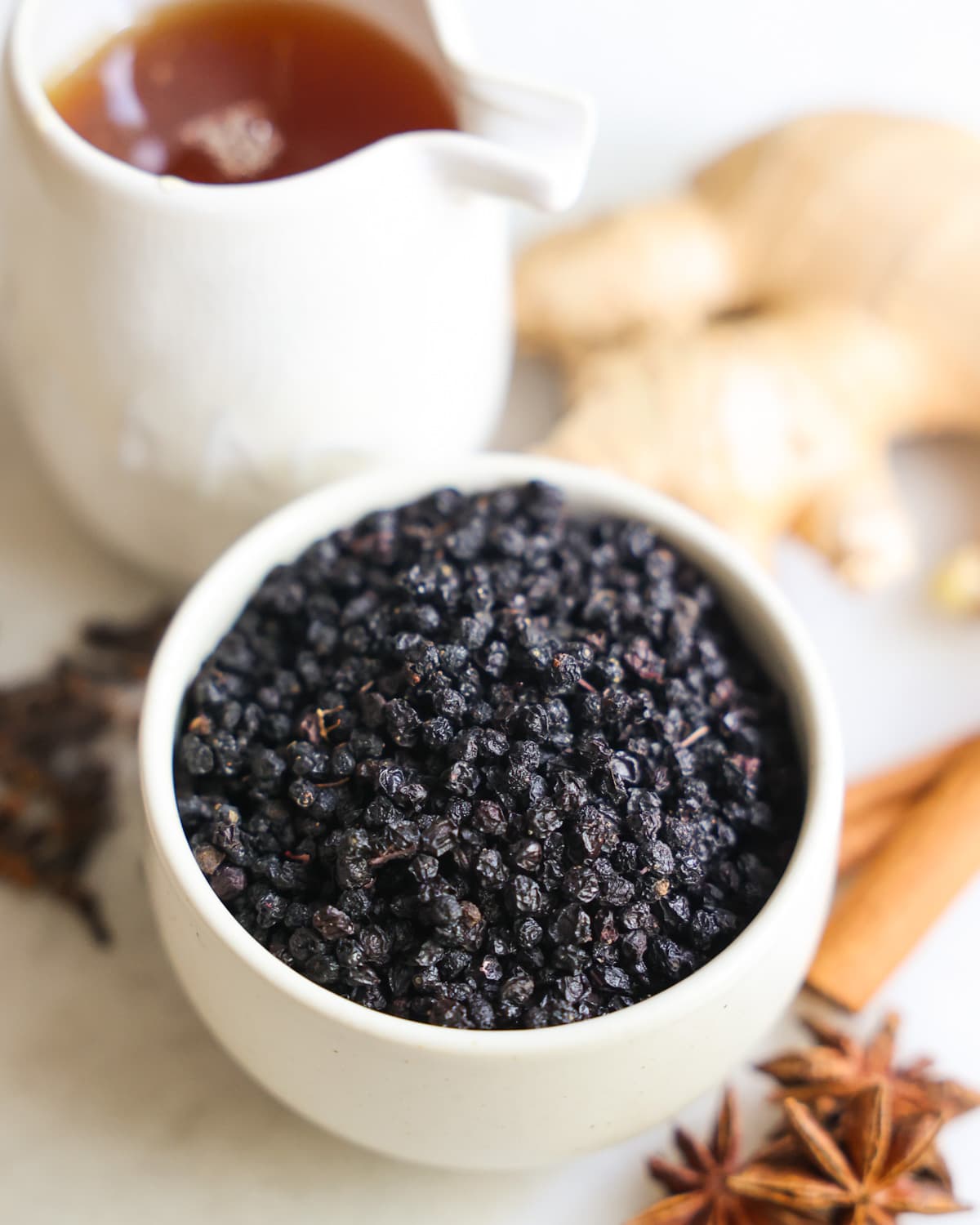
Dried elderberries have become a pantry staple for families who make their own elderberry syrup, tea and treats at home. They’re easier to find than ever, but quality varies a lot from one bag to the next. Knowing what to look for helps you choose berries you’ll be happy to cook with.
Here’s what to check before you buy, where to find good dried elderberries, and how to store them once they’re home.
What to Look For When Buying Dried Elderberries
Certified Organic
Organic certification is one of the easiest quality signals to check. The USDA explains what the organic label means: products carrying it must be certified to federal organic standards and reviewed by a USDA-accredited certifying agent. Look for clear organic labeling on the bag rather than vague words like “natural.”
The Right Elderberry
Most dried elderberries sold for syrup and tea come from European black elderberry, Sambucus nigra. North America has its own close cousin, which the US Forest Service describes as a subspecies of the same plant. A good seller will tell you which elderberry is in the bag. To learn how the two compare, read our guide to American vs European elderberries.
Whole, Deep-Purple Berries
When you can see the berries, look for:
- Whole berries rather than powder, so you can see exactly what you’re getting
- An even, deep purple-black color
- Few or no stems, leaves or debris mixed in with the berries
Clear Labeling and Sealed Packaging
The bag should list what’s inside, how much is in it and who packed it. A sealed, resealable bag helps keep the berries dry and fresh once you’ve opened it. If you’re shopping in person, check that the berries look dry and loose rather than clumped together, which can be a sign of moisture.
Where to Buy Dried Elderberries
You have a few options, and each suits a different kind of shopper:
- Large online marketplaces offer plenty of choice, but it can be hard to tell who grew, dried or packed the berries.
- Local health food stores and markets let you see the product before you buy, though selection varies from store to store.
- Buying direct from a small producer lets you know exactly where your berries come from and who to ask if you have a question.
Our organic dried elderberries come in a 1 lb bag and ship to all 50 states. You can also find Abby’s Elderberry products at farms, shops and markets listed on our Where to Find page. Selection varies by store, so we recommend calling ahead.
Why Buy From a Small Family Producer
When you buy from a small family business, you’re buying from people who use the same product in their own kitchen. Our dried elderberries are certified organic and packed by our family on our farm in southern Indiana, by the same family that brews Abby’s Elderberry syrup in small batches. If you ever have a question about your order, you’ll reach a real person who knows the product. Many small producers are also happy to explain where their berries come from and how they’re packed, so don’t be shy about asking.
How to Store Dried Elderberries
Dried berries are easy to keep on hand. The National Center for Home Food Preservation notes that dried foods take up little space and don’t require refrigeration. To keep your elderberries at their best:
- Keep the bag tightly sealed, or move the berries to an airtight glass jar
- Store them in a cool, dry, dark place, such as a pantry shelf
- Keep them away from heat, sunlight and moisture
- Use a clean, dry spoon or scoop every time
Always Cook Before Eating
Dried elderberries are meant to be cooked, not eaten straight from the bag. The National Center for Complementary and Integrative Health notes that raw or unripe elderberries contain substances that can cause nausea, vomiting and diarrhea, and that cooking eliminates this concern. Simmer them into syrup or steep them into tea before enjoying them.
Ready to make your first batch? Follow our step-by-step guide on how to make elderberry syrup from dried berries.
Frequently Asked Questions
Are dried elderberries the same as fresh elderberries?
They’re the same fruit with most of the water removed. Dried elderberries keep much longer on the pantry shelf and are easy to measure for syrup and tea. Like fresh berries, they should always be cooked before eating.
Do dried elderberries need to be refrigerated?
No. Dried elderberries don’t need refrigeration. Keep them sealed in a cool, dry, dark place.
Can I buy dried elderberries in bulk?
Our dried elderberries come in a 1 lb bag. If you’re interested in a larger order, contact our family using the details below and we’ll be happy to help.
What can I make with dried elderberries?
Dried elderberries are the base for homemade elderberry syrup and elderberry tea, and many families use them in jams, jellies and baked treats.
Stock Your Pantry With Organic Dried Elderberries
Good syrup starts with good berries. When you know what to look for, it’s easy to choose dried elderberries you can trust. Shop our certified organic dried elderberries and start your next batch at home.
Get in Touch
Have a question about our dried elderberries or a larger order? We would love to hear from you.
Contact Number: 812-748-2111
Email: info@abbyselderberry.com
Have more questions? Browse our Elderberry FAQ.
These statements have not been evaluated by the Food and Drug Administration. This product is not intended to diagnose, treat, cure, or prevent any disease.